
70 mil+ reviews
Thinkific helps you sell courses online. Circle helps you build a sustainable business where members stay month after month.
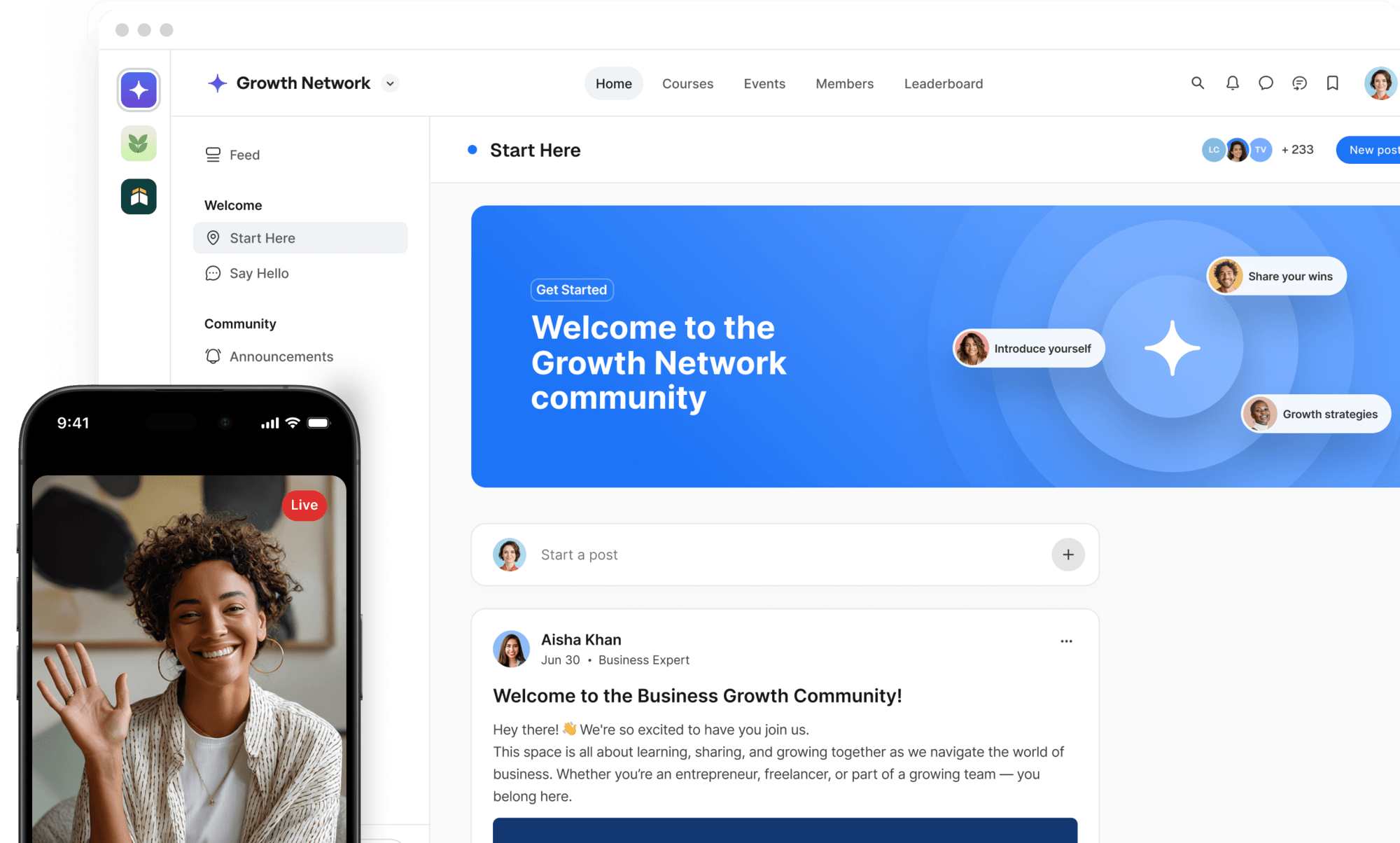
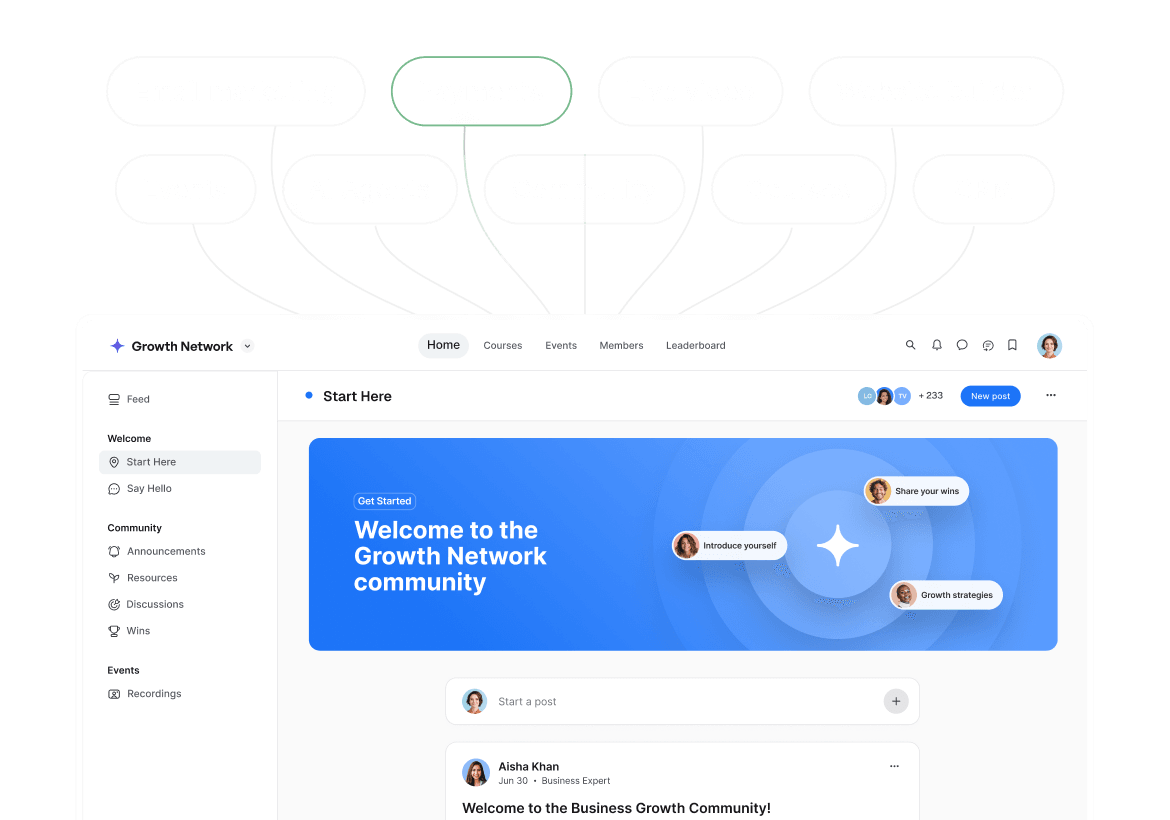
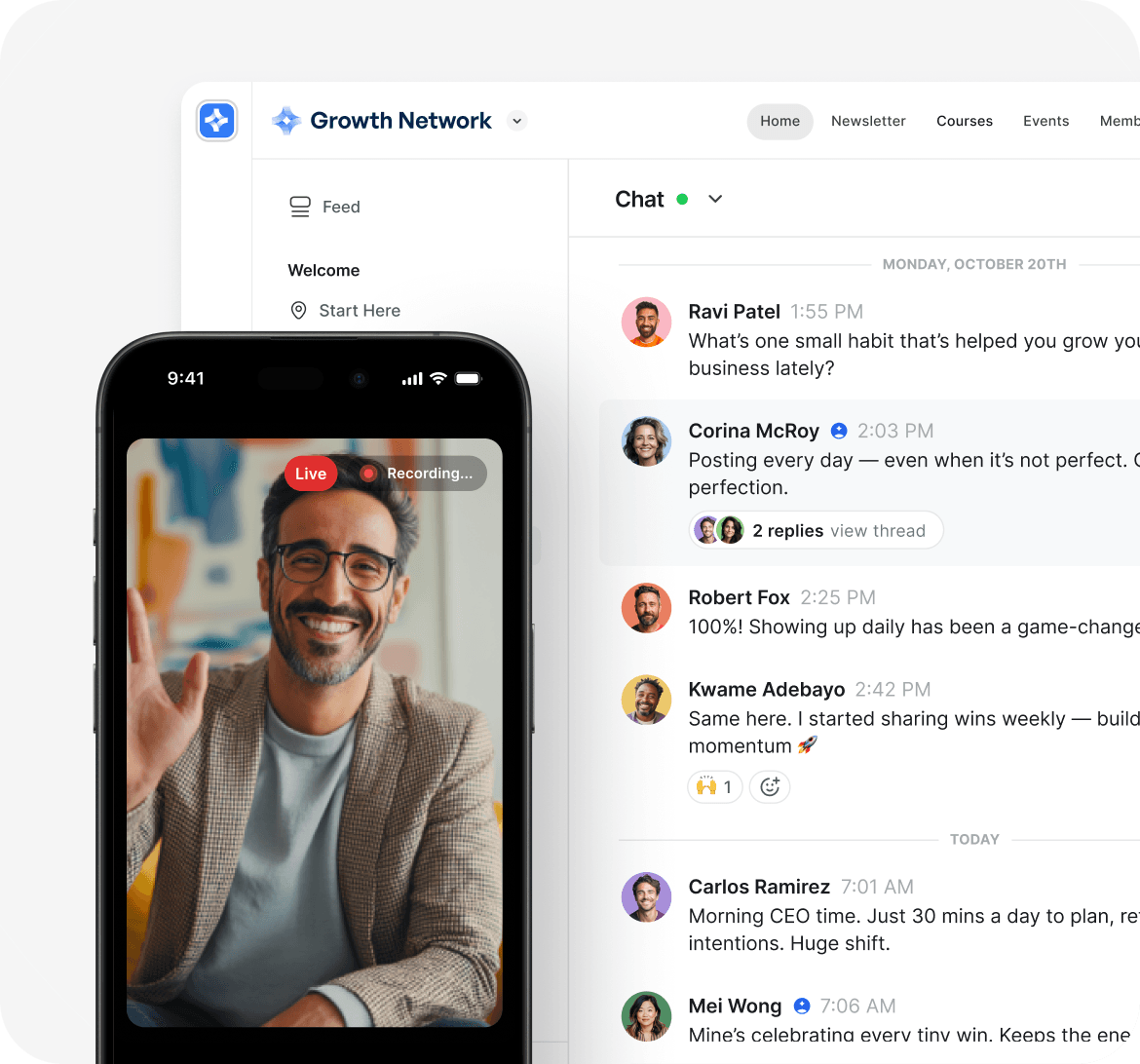
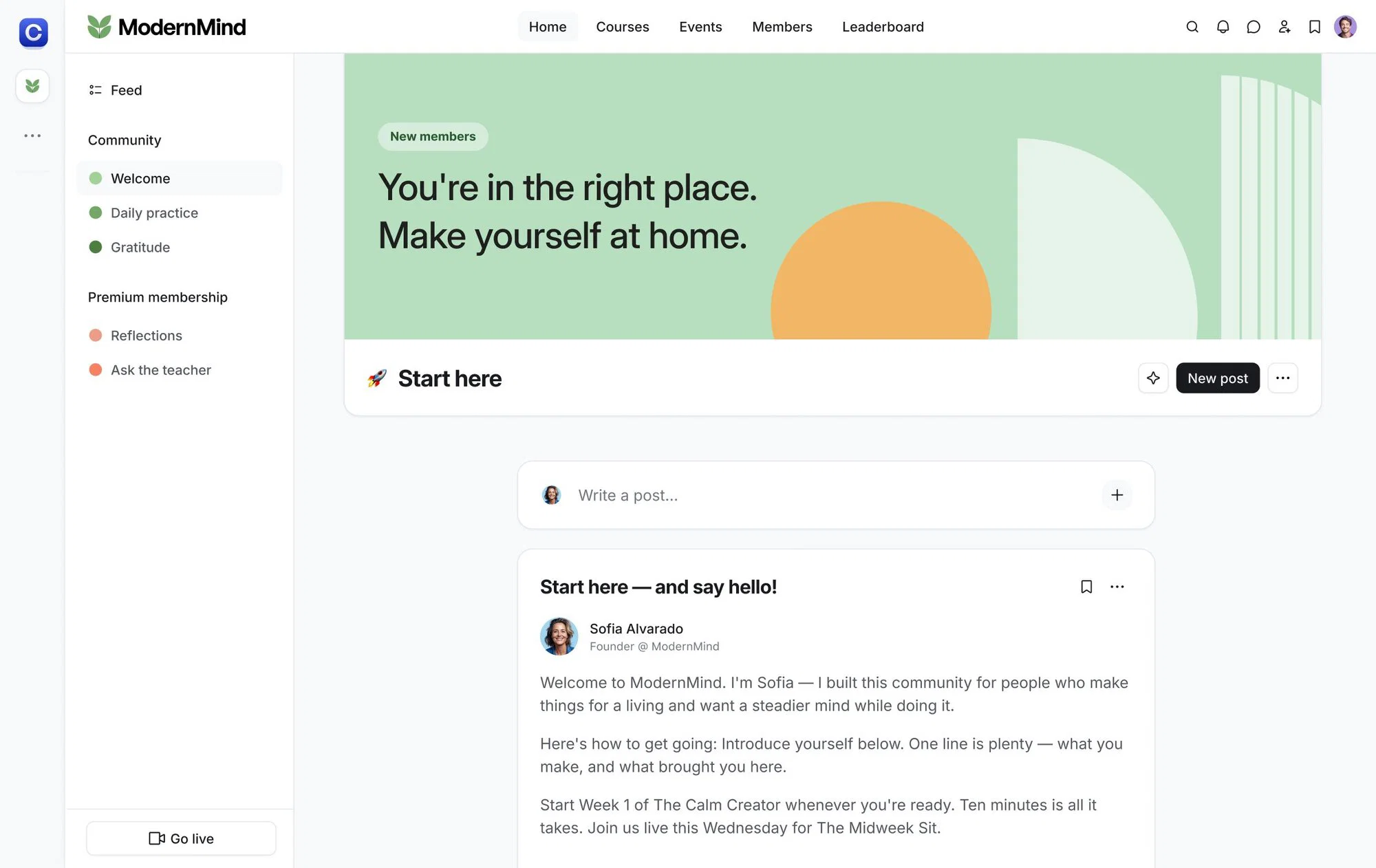
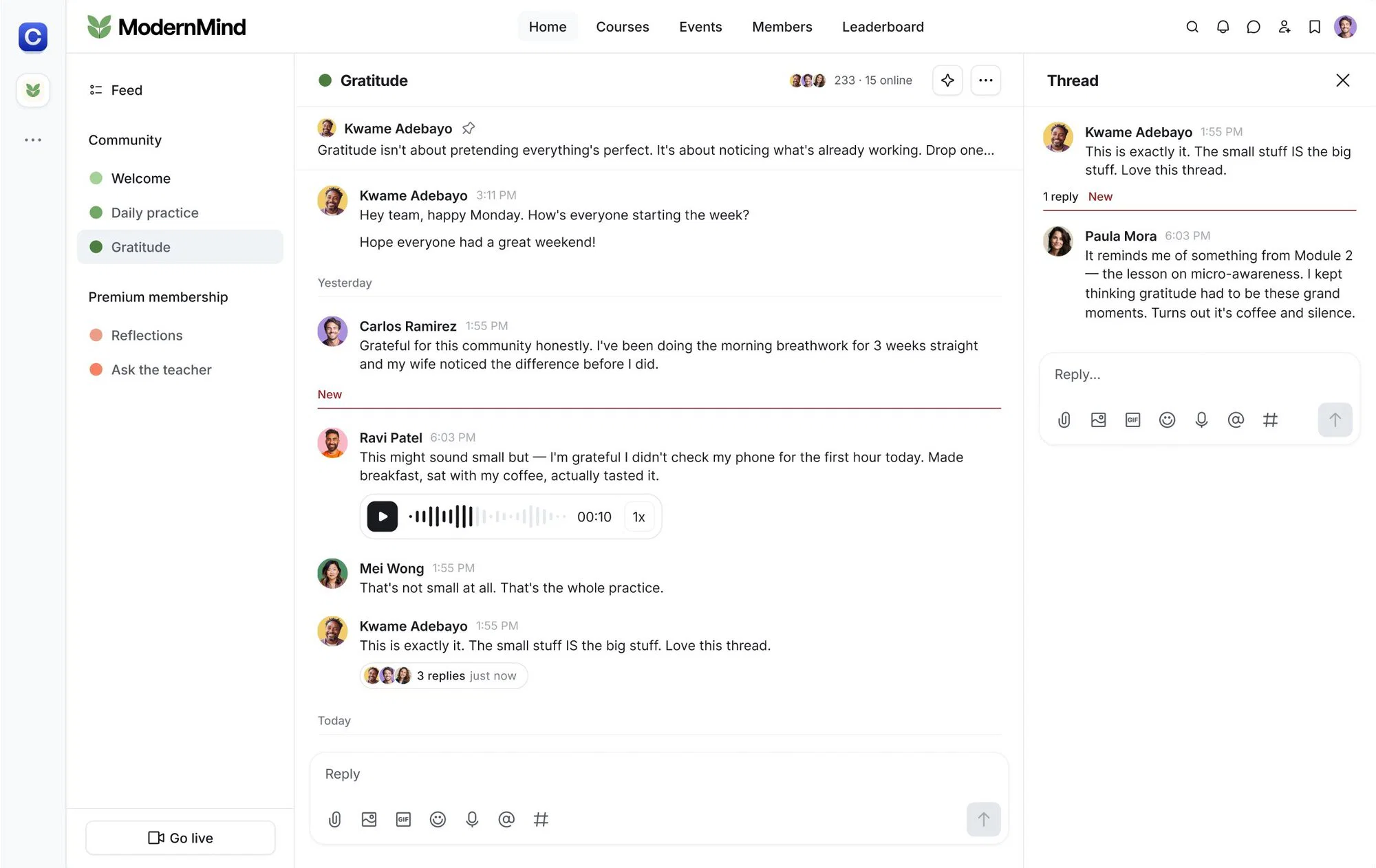
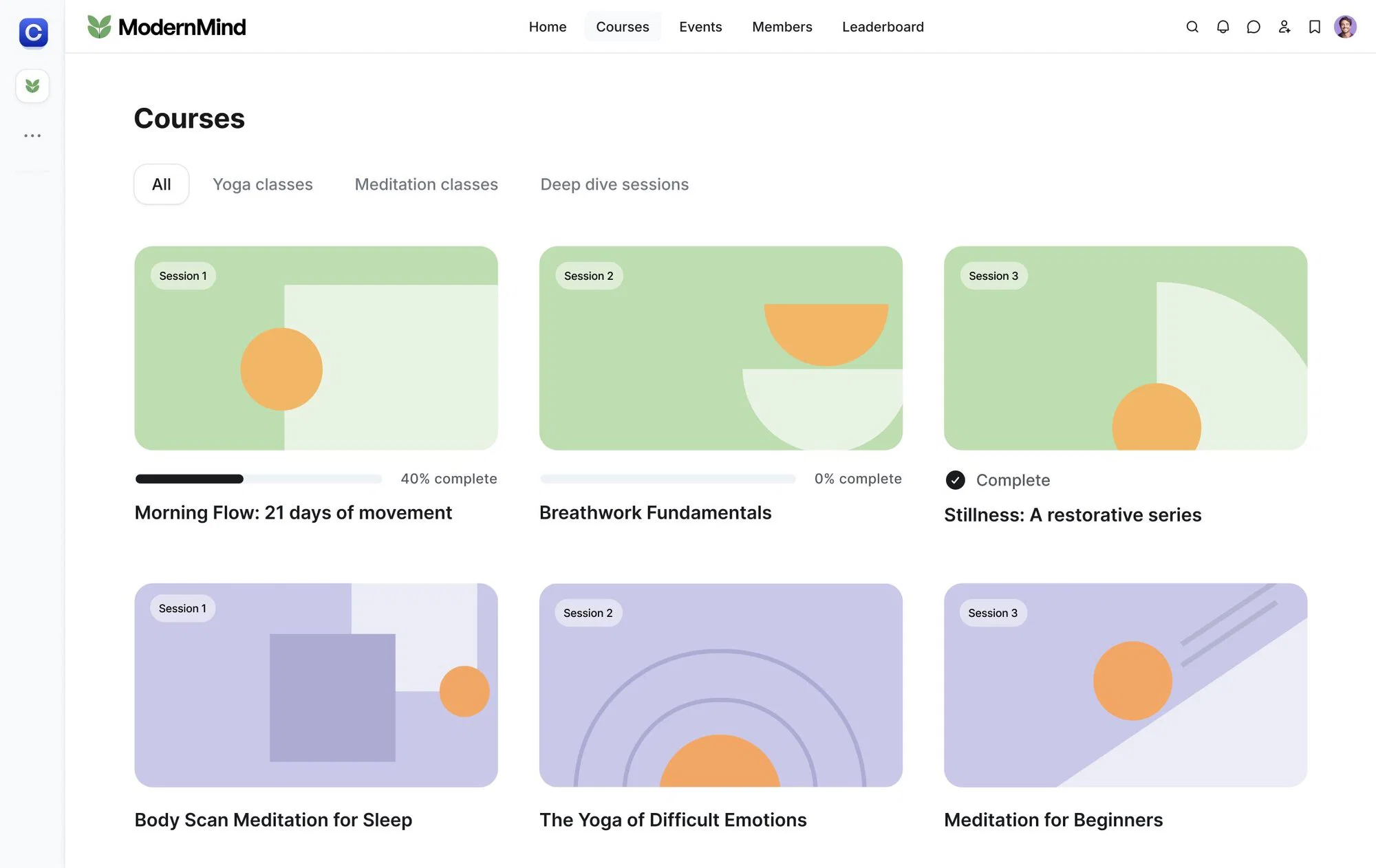
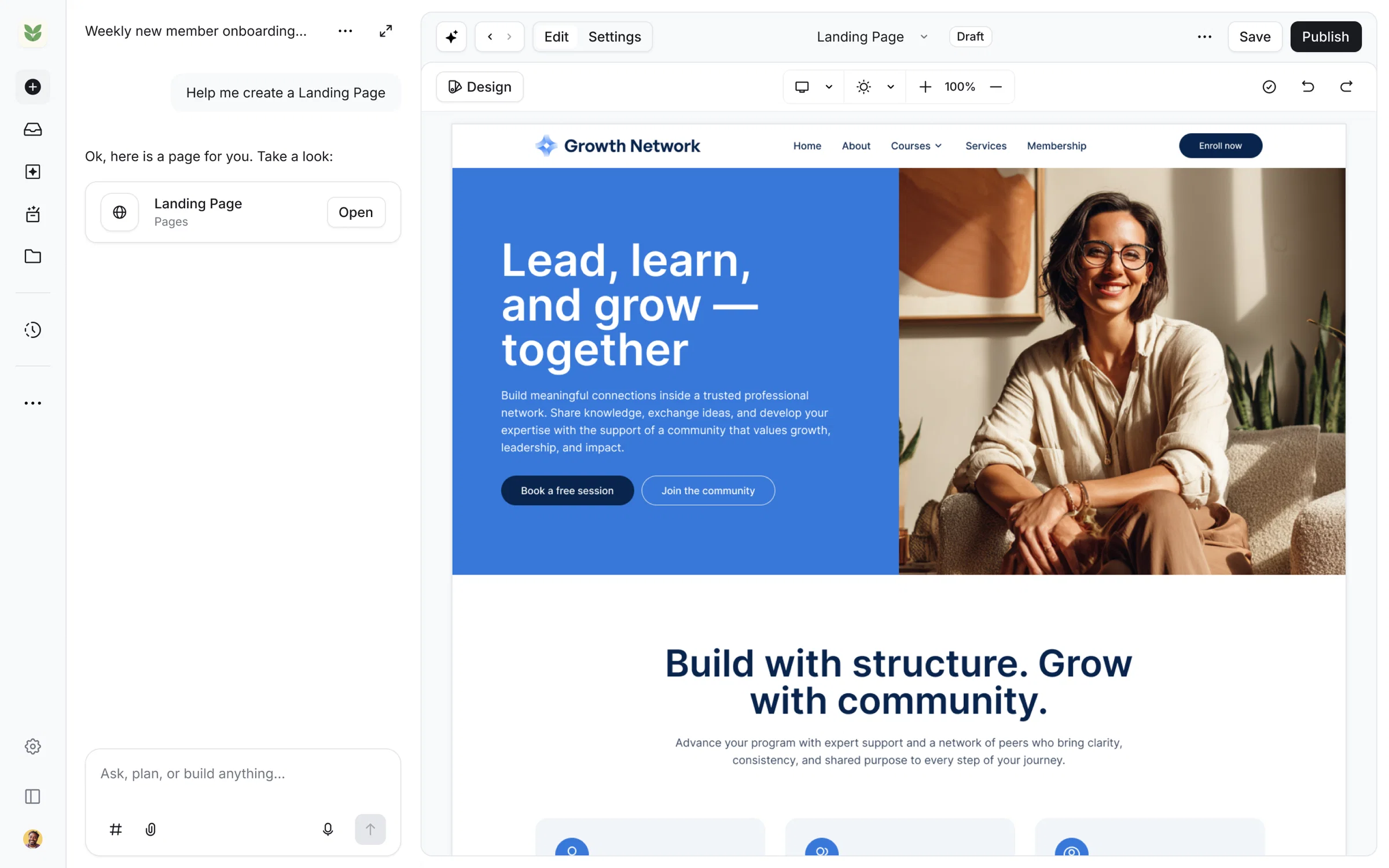
A community your members actually open every day — not a flat forum nobody checks
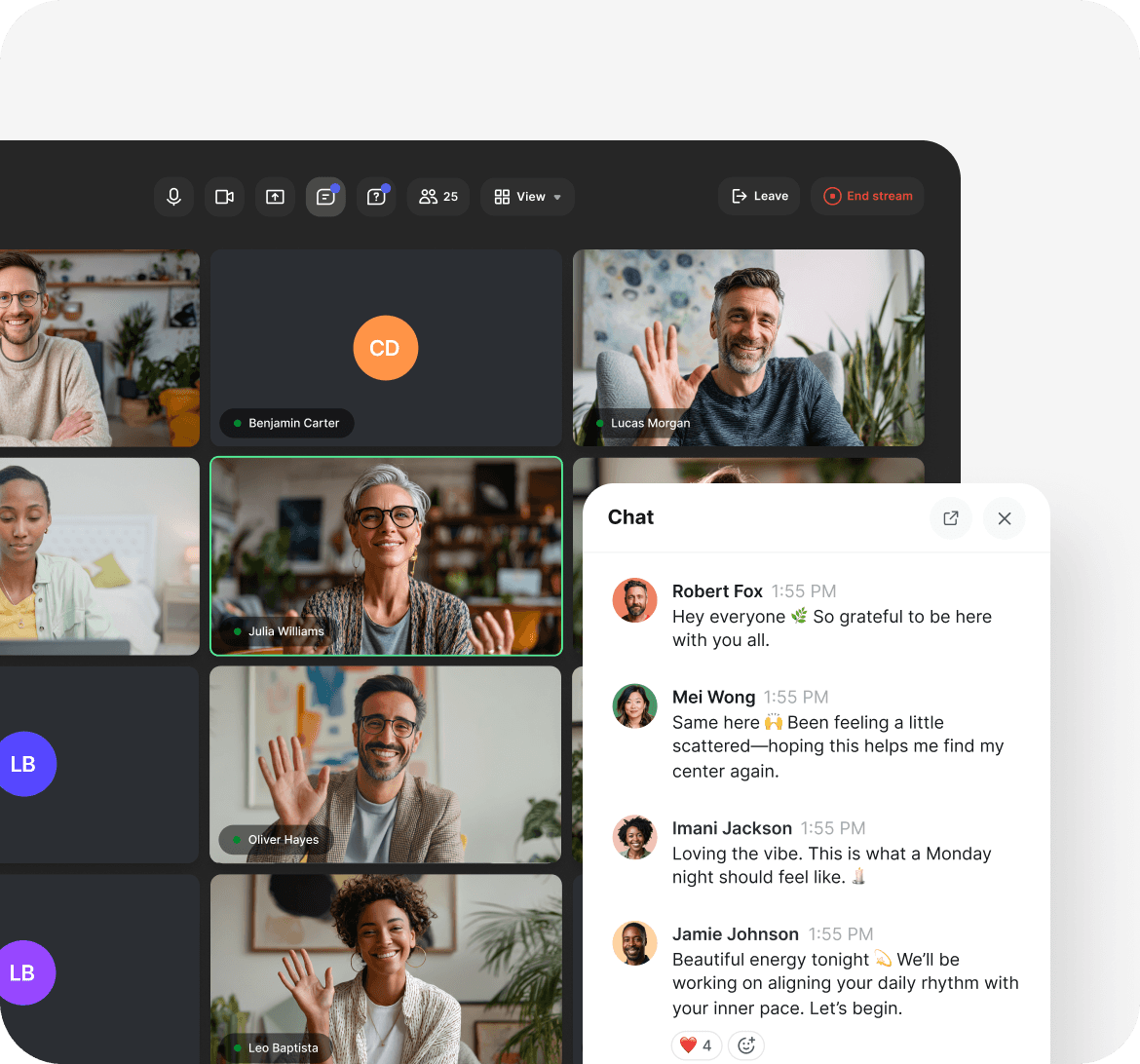
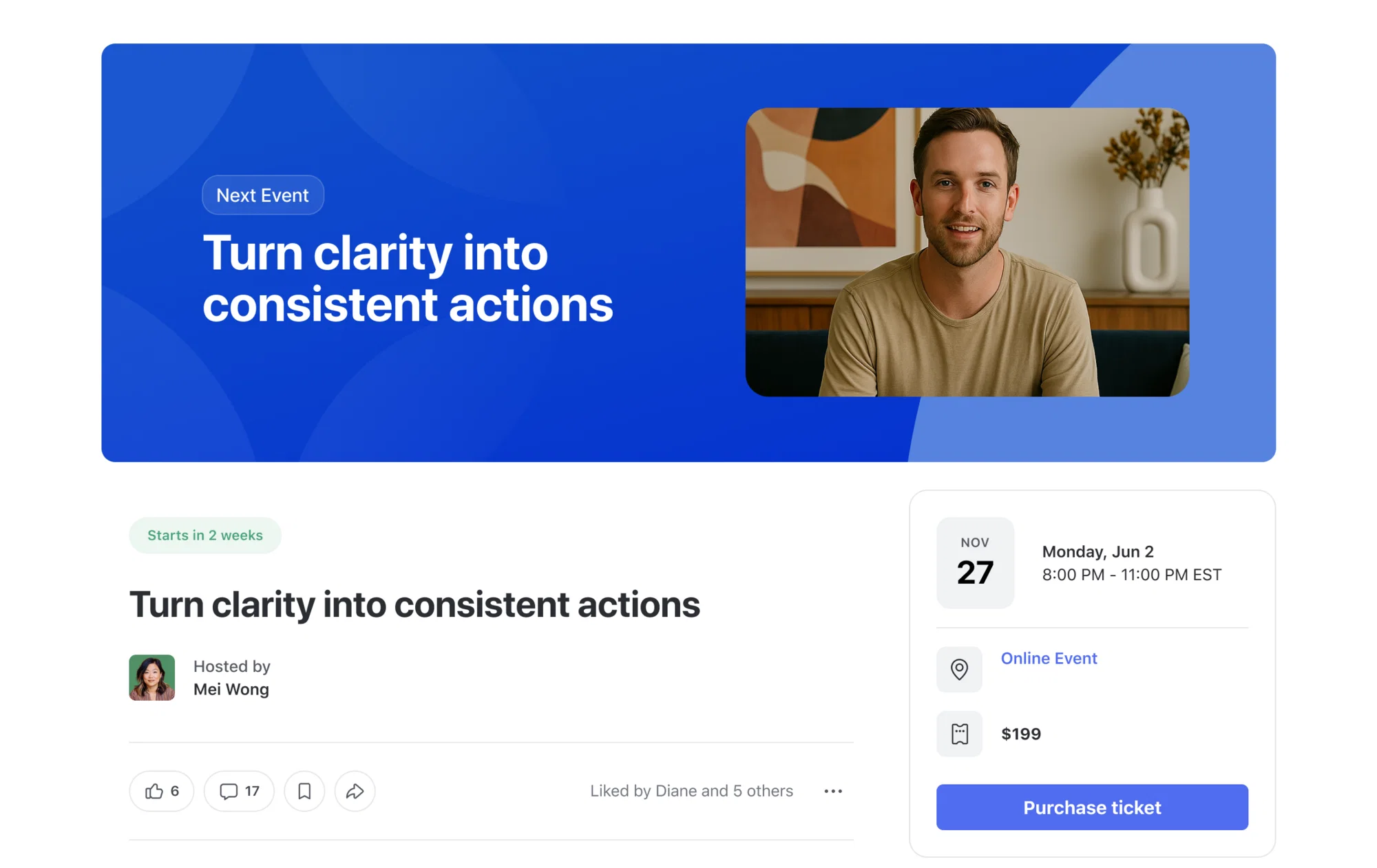
Live events that stream, record, and follow up automatically — no Zoom links, no manual uploads
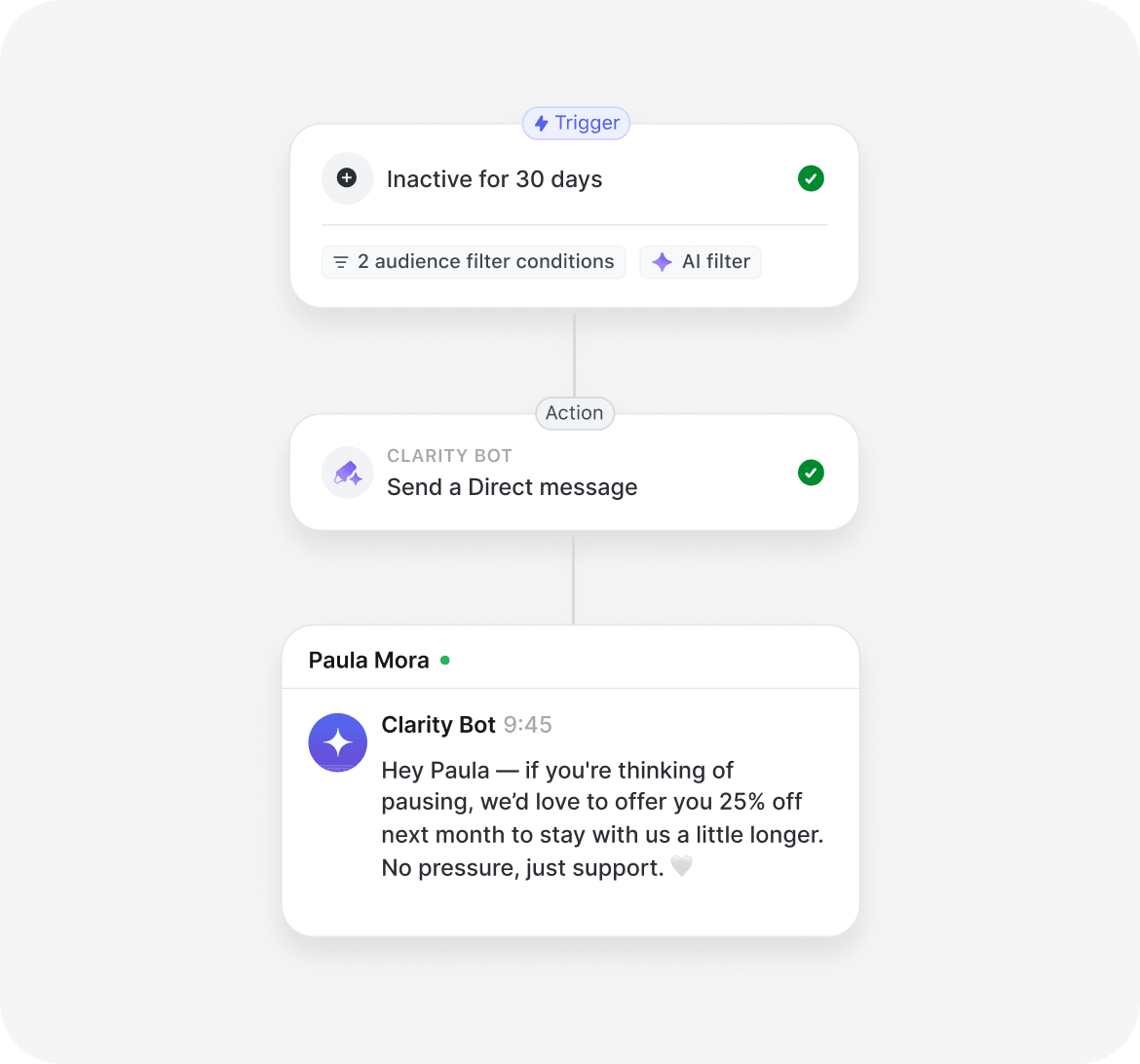
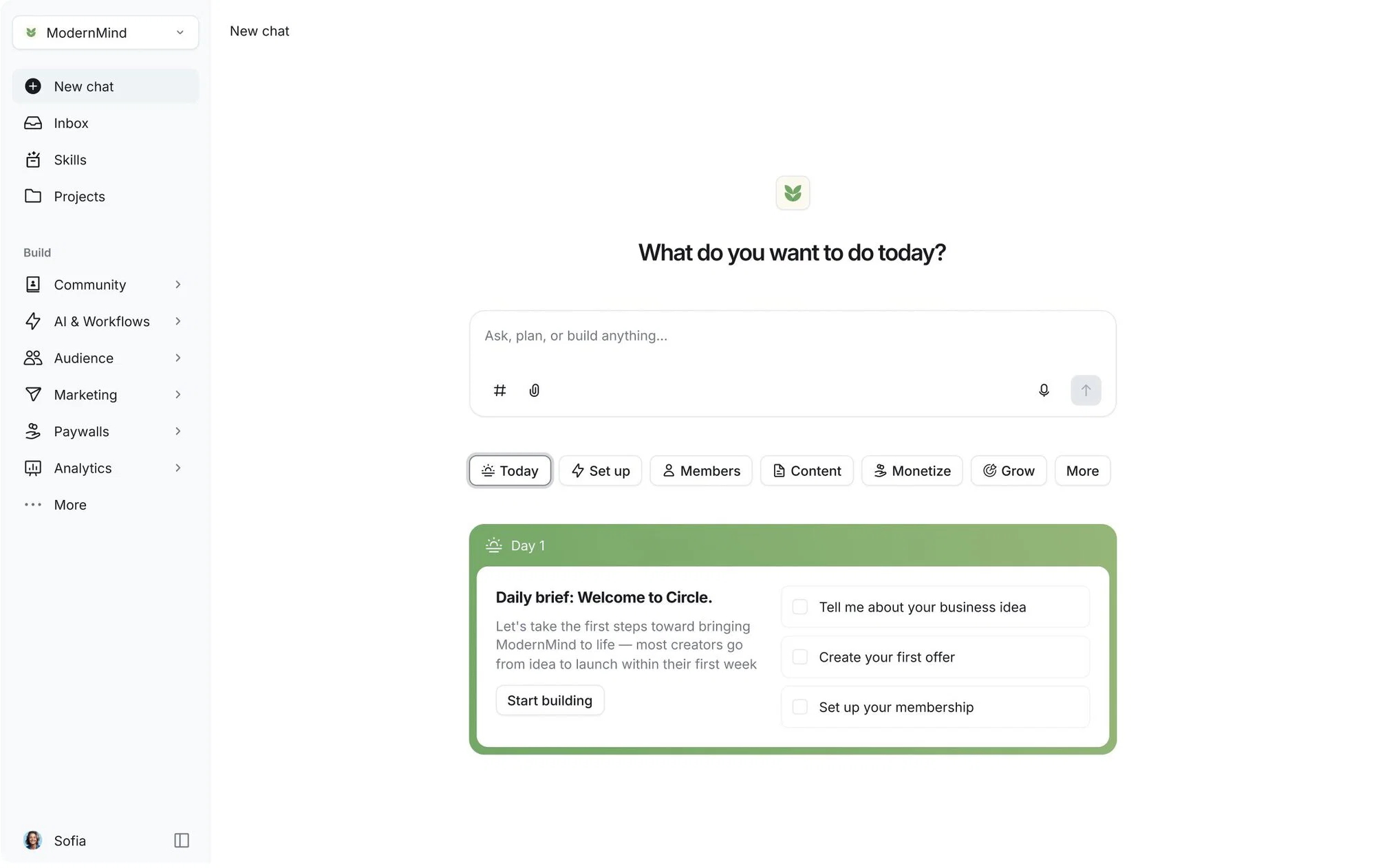
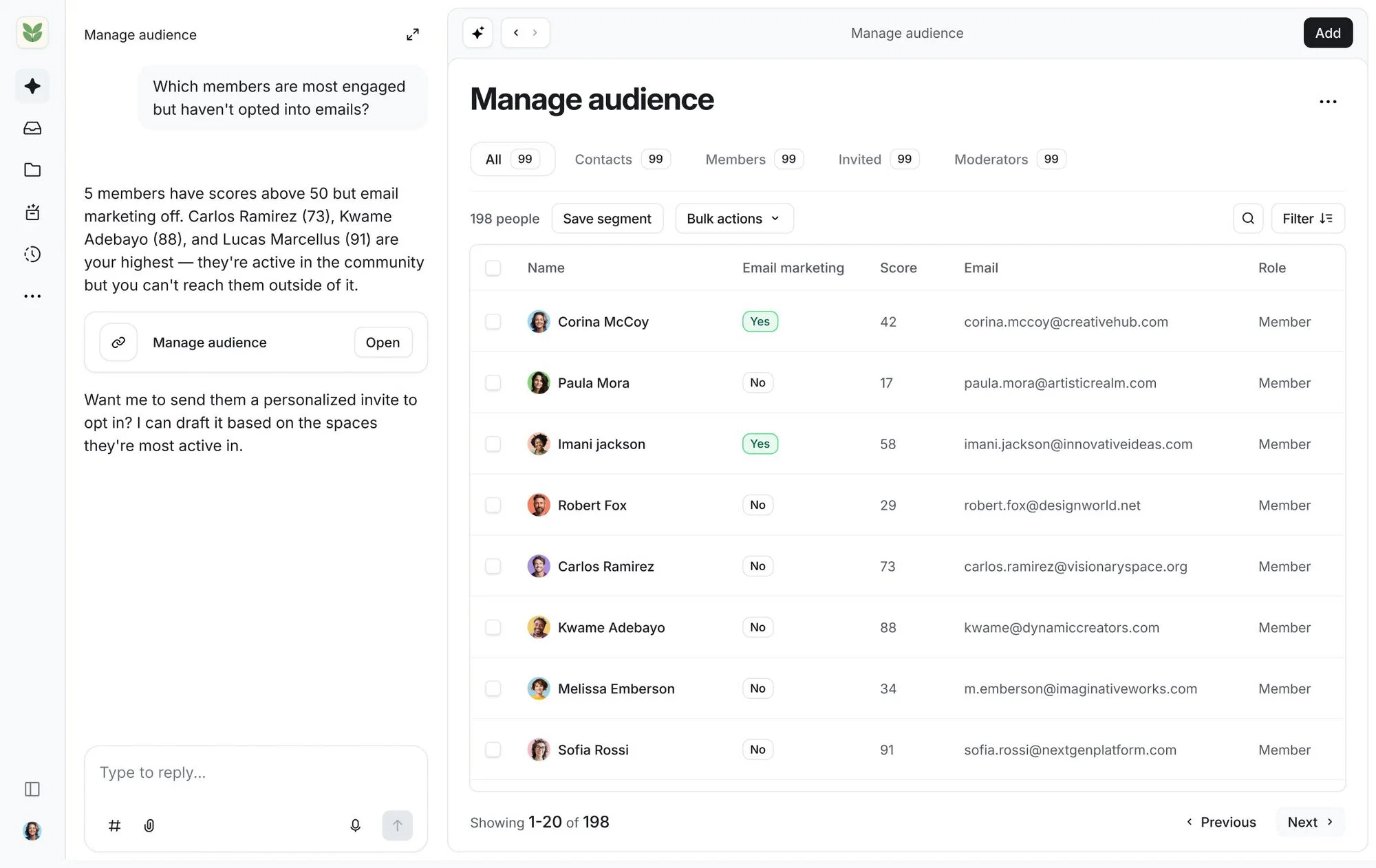
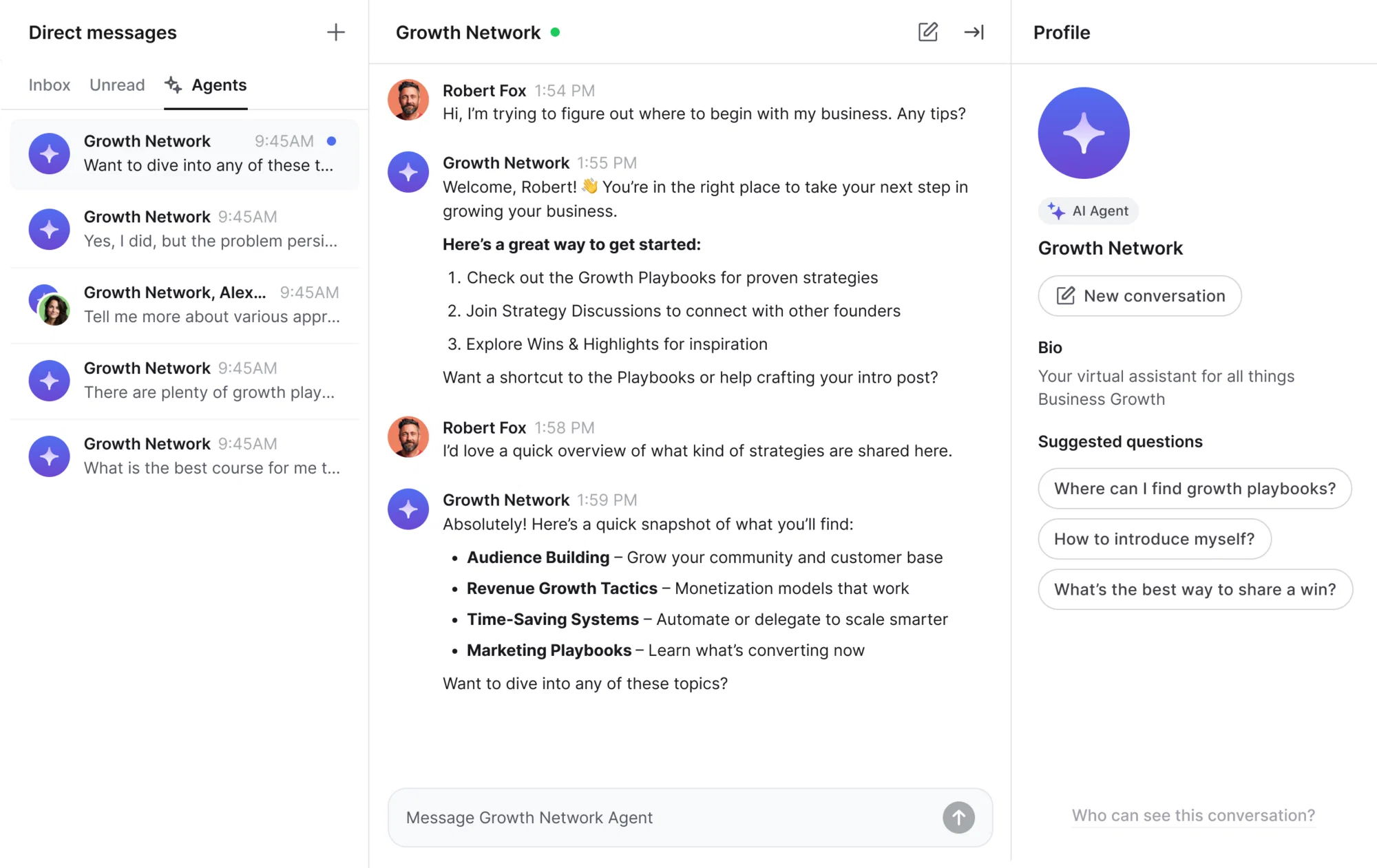
AI and automations that run your member journeys end-to-end
Trusted by more than 13 million members across 18.000 communities
VS
Thinkific: A course platform with community bolted on
Circle: A community platform where courses, events, email, and AI all work together
“We’ve made over $3M on Circle over the last two years. It supported our live cohorts, self-paced courses, virtual summits, a subscription-based membership, and our first in-person summit in LA. This is the power of a true ‘all-in-one’ platform.”
Tiago Forte — Founder, Forte Labs
People buy your course, finish it, and never come back
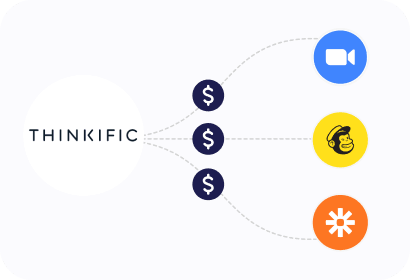
You're paying for Zoom, Mailchimp, and Zapier on top of Thinkific
Your "community" is a flat forum that nobody checks
You can't automate member journeys without third-party tools
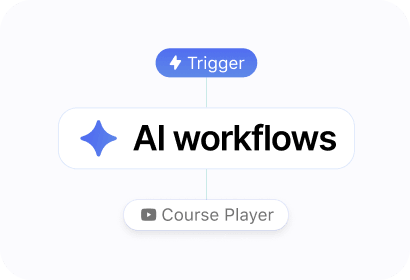
Your AI only answers questions inside the course player
Thinkific's community is a post-and-comment forum with a fixed number of spaces and no way to create tiered member experiences. Circle's community is the daily engagement surface your business runs on.
Structured spaces with access groups for tiered experiences
Space groups and hierarchical organization
Chat rooms and real-time group chat
Activity feed with personalized, recent, and trending filters
Gamification with points, leaderboards, and badges
Thinkific requires a third-party video tool for every live event. Circle streams, records, gates the replay, and triggers follow-up — all natively.
Native live streaming (no Zoom or third-party link required)
Automatic event recording
Gated replay for paid members
Event-triggered automations and follow-up emails
Native video recorder for posts, comments, and courses
Thinkific's AI answers course questions. Thinkific's email sends abandoned cart reminders. Thinkific has no automation builder. Circle gives you all three — across your entire platform, connected to everything your members do.
AI community moderation, auto-DMs, and auto-posts
Multiple AI agents with distinct roles
AI member activity scoring
Workflow builder with conditional and branching logic
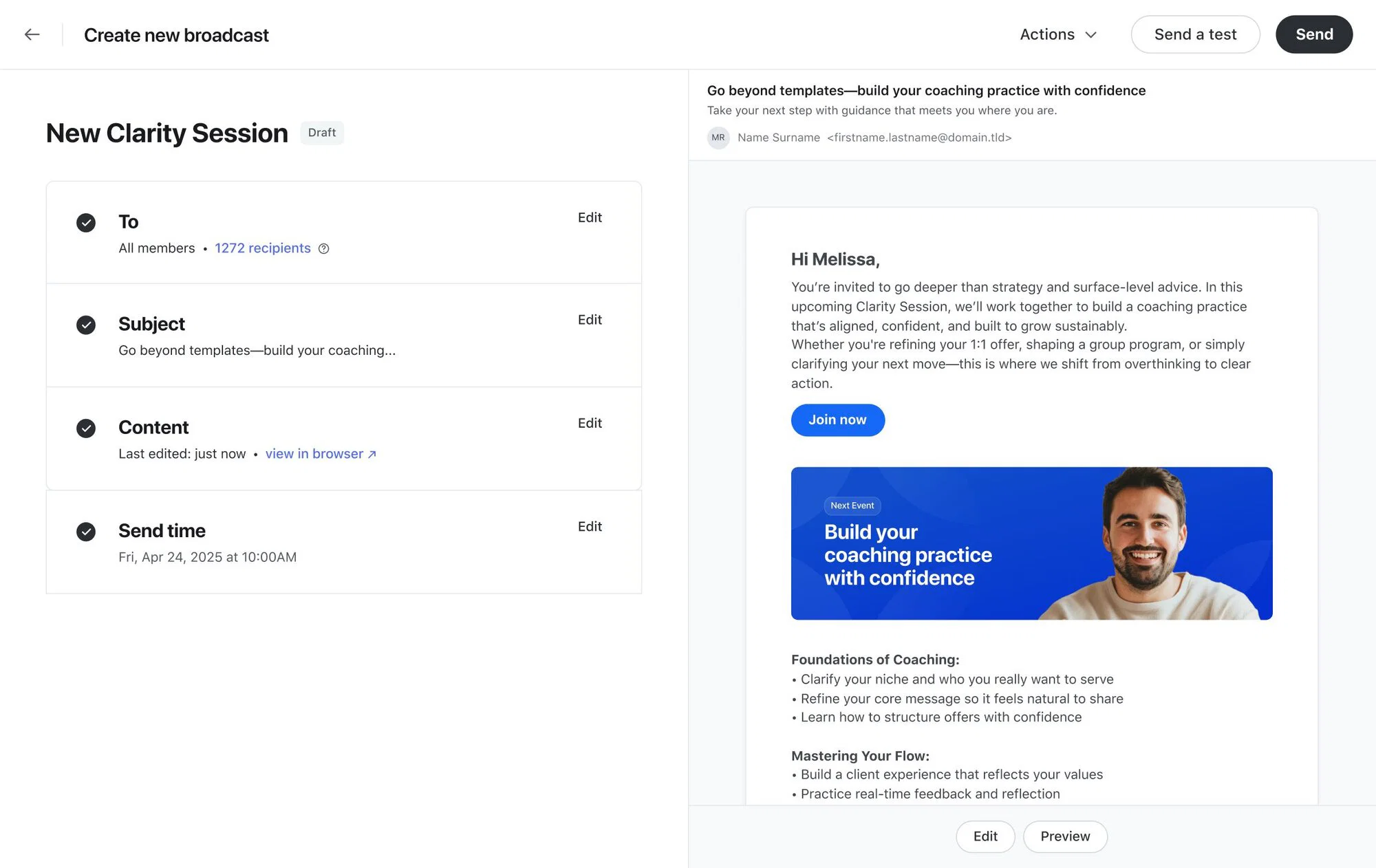
Full email marketing: broadcasts, sequences, segmented sends
Behavior-triggered emails (course, community, events, purchases)
Drag-and-drop email builder
Circle is the best platform to build, engage, and scale your business
Industry-leading product velocity, support, and customer ratings make Circle the most trusted platform for serious community and creator businesses.
Let our migration team handle the heavy lifting—so you don’t have to.
Fill out a quick form to tell us about your setup. We'll take it from there. We’ll migrate your:
1. Courses
2. Email list
3. Memberships
4. And more
We’ll create a tailored migration plan based on your needs. You review and approve before we begin.
Our team moves everything over—content, members, settings—fully structured and ready to go live.
Trusted by 18.000+ businesses to power their communities
Thinkific charges 0% platform transaction fees on all paid plans (standard Stripe/PayPal processing fees still apply). Circle's transaction fees vary by plan — 2% on Professional, 1% on Business, and 0.5% on Circle Plus — on top of Stripe's standard processing fees. The real cost comparison: a platform that saves a few points on the initial sale versus a platform whose retention tools — community engagement, automations, live events, AI — generate more recurring revenue over the lifetime of each member.

Thinkific's headline prices start lower — $49/month (Basic) vs. Circle's Professional plan at $89/month — and Thinkific charges zero platform transaction fees when you use their native checkout (TCommerce). That's a real advantage for creators focused on one-time course sales.
The full cost picture looks different when you factor in what each platform includes. Thinkific gates features like payment plans, advanced analytics, and digital badges to progressively higher tiers. Circle includes community, courses, live events, automations, AI, a website builder, and a free mobile and desktop app in every plan — reducing the number of separate tools and subscriptions you need to run your business.
Yes. Thinkific's standard plans share a 10,000-student cap across Basic ($49), Start ($99), and Grow ($199) — the difference between plans is primarily which features you get access to. White-label branding requires the Grow plan. Payment plans require Grow. Digital badges and advanced analytics require Plus (enterprise pricing). Multiple reviewers on Trustpilot and Gartner Peer Insights have noted that features have been moved to higher tiers without warning, increasing costs for existing customers. Circle's pricing scales with usage and plan features are transparent — see our pricing page for details.
Thinkific's course builder is mature and well-designed for structured, self-paced learning with quizzes, assessments, and certificates. Circle's course builder covers core needs — modules, quizzes, drip scheduling, and cohort delivery — and integrates courses directly with community spaces, live events, and automations. For most community-based businesses, the difference isn't the course builder itself — it's what happens after someone finishes the course. Circle keeps them engaged.
Circle's course builder includes quizzes, drip scheduling, cohort-based delivery, and in-lesson discussion — but does not currently offer native course completion certificates. Thinkific does, along with advanced assessments (via Brillium integration on higher plans), Learning Paths with multi-course progression, and SCORM support on Plus. If your primary use case requires formal certification, compliance tracking, or graded assessments for credentialing, Thinkific has the edge on those specific features today.
That said, the question worth asking is what happens after someone earns that certificate. On Thinkific, they've finished the course — and there's no built-in engagement engine to keep them active. On Circle, the course feeds into a living community where members stay engaged through daily discussions, live events, and AI-powered content, which is what drives renewals and recurring revenue.
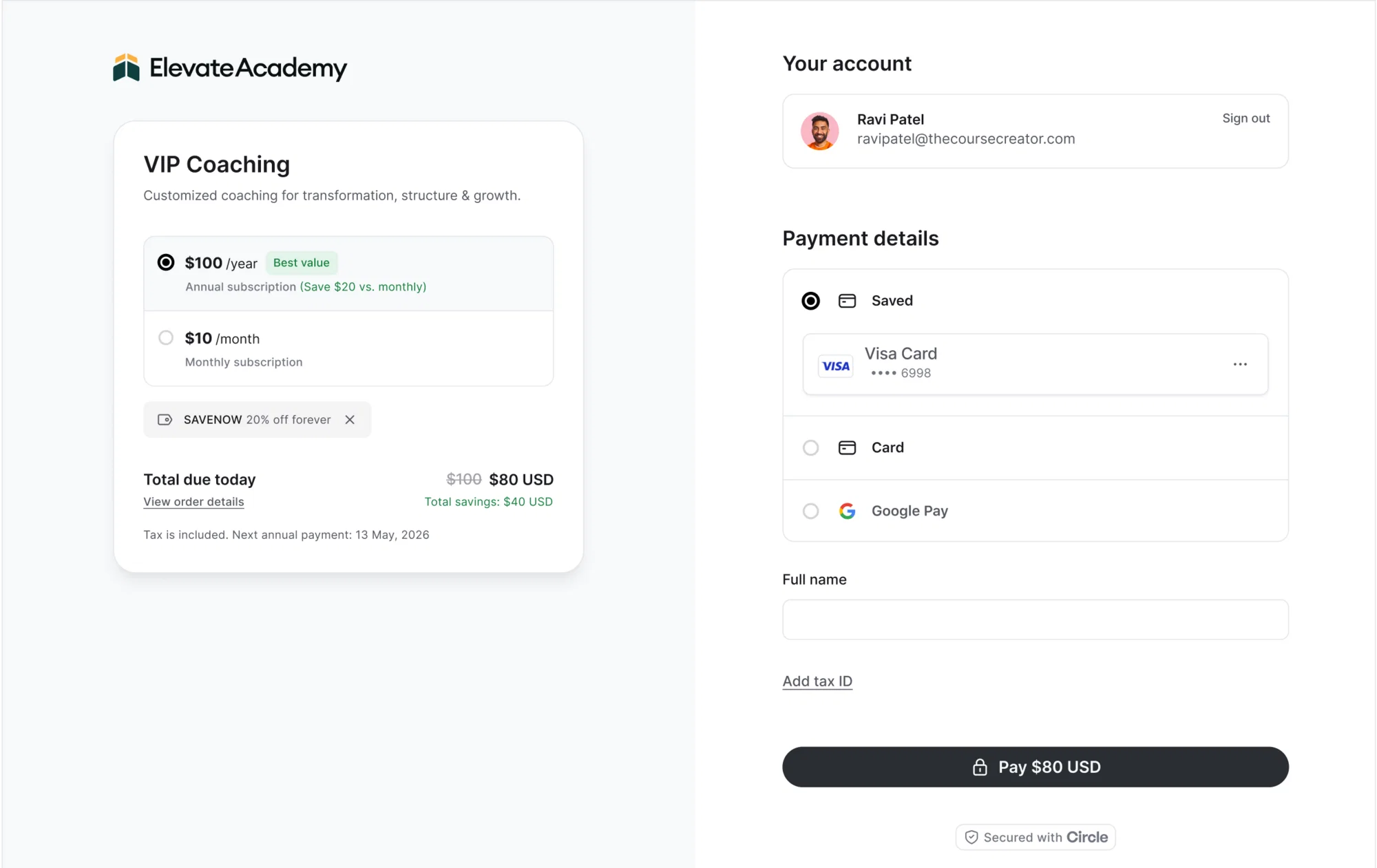
Yes. Circle supports coupons and discount codes, Buy Now Pay Later (installment plans), customizable checkout pages with your branding and testimonials, 25+ currencies, conversion-optimized paywalls, tiered pricing, one-time payments, subscriptions, and free trials — all natively. You can also set up upsell paths through subscription groups and multiple paywalls. Failed payment retries and dunning emails are handled through Stripe's Smart Retries, which use machine learning to optimize recovery timing automatically.
Thinkific's TCommerce goes further on pure checkout commerce — it adds order bumps, abandoned cart recovery emails, and its own built-in payment retries. If maximizing revenue from one-time course sales is your primary goal, Thinkific's checkout tooling is strong. Where Circle pulls ahead is what happens after the sale: community engagement, automated member journeys, live events, and AI-driven retention that turn a single purchase into recurring revenue.
Thinkific has no native workflow or automation builder. Its email automation is limited to pre-defined sales sequences and abandoned cart reminders. Any automation beyond that — onboarding sequences, event follow-ups, behavior-triggered member journeys — requires Zapier and third-party tools.
Circle's workflow builder (available on Business plans and above) supports multi-step automations with conditional branching triggered by any member action, with actions spanning email, access groups, gamification, and content unlocks.
Circle's Email Hub provides native email marketing — broadcast campaigns, automated sequences, behavior-triggered sends, segmented audiences, and a drag-and-drop builder — without needing Mailchimp, Kit, or any third-party tool. Email Hub is available as an add-on starting at $99/month for 10,000 contacts, with 10,000 contacts included on Circle Plus plans.
Thinkific recently added email automation, but it's limited to AI-generated sales sequences and abandoned cart reminders. There's no drag-and-drop builder, no newsletter functionality, and no segmented sends using audience behavior data. Ongoing member communication beyond sales flows — onboarding, event announcements, re-engagement — still requires a third-party email tool and Zapier.
Yes. Circle includes native live streaming on every plan — no Zoom link, no third-party video tool, no manual workaround. Events stream directly inside your community. You can also trigger automated follow-up emails and access changes based on event attendance through Circle's workflow builder (Business plans and above).
Thinkific has no native live streaming. All live events require pasting in an external video conferencing link (Zoom, Google Meet), and recordings must be obtained from the third-party tool and manually uploaded afterward. For accounts created after January 28, 2026, community live events aren't yet supported at all. If live sessions are a regular part of how you engage members, Circle eliminates an entire layer of manual work and tool costs.
Thinkific's Thinker AI assistant answers learner questions inside the Course Player based on course content — it's useful for reducing support load on course-specific questions.
Circle's AI operates across the entire platform, not just inside courses. On all plans, Circle includes an AI content writer and AI Copilot for managing your community. On Business plans, you get automated transcriptions and AI-powered member activity scoring. On Circle Plus, the full AI suite unlocks: AI Agents that answer member questions trained on your content, AI moderation that detects and acts on off-topic or inappropriate posts, AI Workflows that trigger auto-comments, auto-DMs, and automated actions based on content signals, a knowledge engine you control, and multiple configurable agents with distinct roles.
The gap isn't just feature count — it's scope. Thinkific built AI for the course. Circle built AI for the community.
Thinkific offers learner behavior analytics, course completion tracking, and revenue reporting through TCommerce — but gates advanced analytics (MRR, churn, engagement trends) behind the Plus (enterprise) plan. Most Thinkific users on standard plans get basic reporting only and rely on Google Analytics for deeper insight.
Circle provides community engagement metrics, member activity scoring (via AI, on Business plans and above), and course analytics. Advanced analytics and analytics filtering are available on Circle Plus. For community-based businesses, the metrics that matter most — daily active members, engagement trends, retention rates — are natively surfaced. Thinkific's analytics are course-completion focused; Circle's are engagement and retention focused.
Thinkific's community is a post-and-comment forum with a fixed number of spaces per plan (5 on Basic, 10 on Start, 20 on Grow). There are no access groups, no per-space gating, no chat rooms, no real-time group chat, and no personalized activity feed. Every member sees the same flat community regardless of their tier or journey stage.
Circle's structured spaces, access groups, space groups, chat rooms, and gamification (points and levels) let you build tiered member experiences that give people a reason to upgrade and stay.
Circle includes a free mobile app (iOS and Android) and a desktop app on every plan, built around community engagement with full functionality and push notifications. Thinkific's mobile app is primarily a course viewer — admins can't manage from it, and community features are still being built out. Circle also offers a branded mobile app as a premium upgrade for communities ready for a fully branded experience.
Thinkific caps all three of its standard plans — Basic ($49), Start ($99), and Grow ($199) — at 10,000 students. Free students from lead magnets and digital downloads count toward that cap. Once you exceed 10,000, your only option is to negotiate enterprise-level Plus pricing. For a community or course business in growth mode, hitting that ceiling can force an expensive and unplanned upgrade.
Circle's plans scale with your business without a universal hard cap across tiers that forces you into enterprise negotiations at a fixed threshold. Circle's Professional plan supports unlimited members, as does Business and Circle Plus — so your community can grow without hitting an artificial ceiling.
Thinkific is a strong course platform — the drag-and-drop builder, zero transaction fees, and checkout flow are genuinely well-executed. But several structural limitations become apparent as a business grows:
Community is a feature, not the architecture. Thinkific's community is a post-and-comment forum with a fixed number of spaces per plan and no access groups, chat rooms, or personalized feeds. Every member sees the same flat experience regardless of what they've paid.
No native live streaming. Every live event requires Zoom or another third-party tool. Recordings must be manually obtained and re-uploaded.
No workflow builder. There's no way to trigger automated member journeys based on behavior without Zapier and external tools.
AI is course-scoped only. Thinkific's Thinker AI answers course content questions inside the Course Player. It doesn't operate in community, doesn't moderate, and doesn't score member activity.
Features shift to higher tiers. Reviewers on Trustpilot (where Thinkific holds a 2.4/5 rating across 847 reviews) and Gartner Peer Insights consistently report that capabilities move to more expensive plans, increasing costs unpredictably.
10,000-student cap on all standard plans. Growth beyond that threshold requires enterprise pricing.
None of these are dealbreakers for someone launching a first course. But for a business built on recurring community engagement, live events, and automated retention — they add up to a platform you'll likely outgrow.
Yes. Circle's migration team handles the heavy lifting for qualifying accounts — courses, email lists, and payment memberships. You fill out a form, approve a custom plan, and the team moves everything over. Learn more about migration.
Thinkific requires you to delete all of your content — courses, student data, everything — before your account can be fully closed. Multiple Trustpilot reviewers have reported being unable to export or transfer their content during cancellation, with one reviewer in March 2026 describing it as being forced to manually copy content page by page. If you use TCommerce (Thinkific's native payment processor), subscriber payment data is locked to TCommerce and cannot be migrated to another processor due to PCI compliance restrictions.
Circle's approach is different. Your content lives on your platform, and Circle's migration team actively helps qualifying accounts move in — not just out. If you're currently on Thinkific and considering a switch, start a migration conversation to see how the process works for your specific setup.
Thinkific gates support by plan tier. Lower-tier plans get chatbot and asynchronous email support only — and multiple reviewers report that downgrading or cancelling can remove access to support entirely, creating a frustrating catch-22 when billing issues arise. Thinkific also does not provide direct support to a creator's end users (students and members).
Circle provides support across all plans and is consistently rated as a leader on G2, with strong marks for quality of support and ease of setup. All Circle customers get access to the Circle Customer Community (27K+ members) with live workshops, coaching calls, and office hours. Business plans include priority email support. Circle Plus customers receive priority technical support and a dedicated Customer Success Manager.
Ainda não encontrou a resposta? Vá para a central de ajuda